 Super Cat World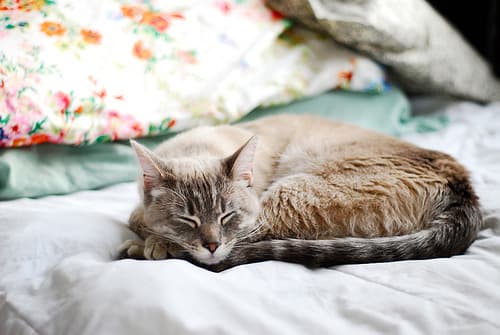
Provide plenty of mental stimulation with interactive toys and puzzles
Maintain a regular grooming schedule to minimize shedding
Keep them primarily indoors to protect them from environmental hazards
Ensure they have high-protein, balanced meals
Establish a routine for dental cleanings to prevent gingivitis
The Lynx Point Siamese emerged in the 1940s or 50s as breeders sought to combine the elegant, sleek body of the Siamese with the beautiful tabby stripes. By crossing a Seal Point Siamese with a tabby shorthair, they created this striking pattern that was eventually recognized by major cat registries.
They are a cross between a Siamese and a tabby cat, first appearing in the mid-20th century
In the United States, they are often officially categorized as 'Colorpoint Shorthairs'
The 'lynx' name comes from the tabby markings which resemble the patterns of a wild lynx
Their vocalizations can be very distinctive and loud, just like their Siamese ancestors